
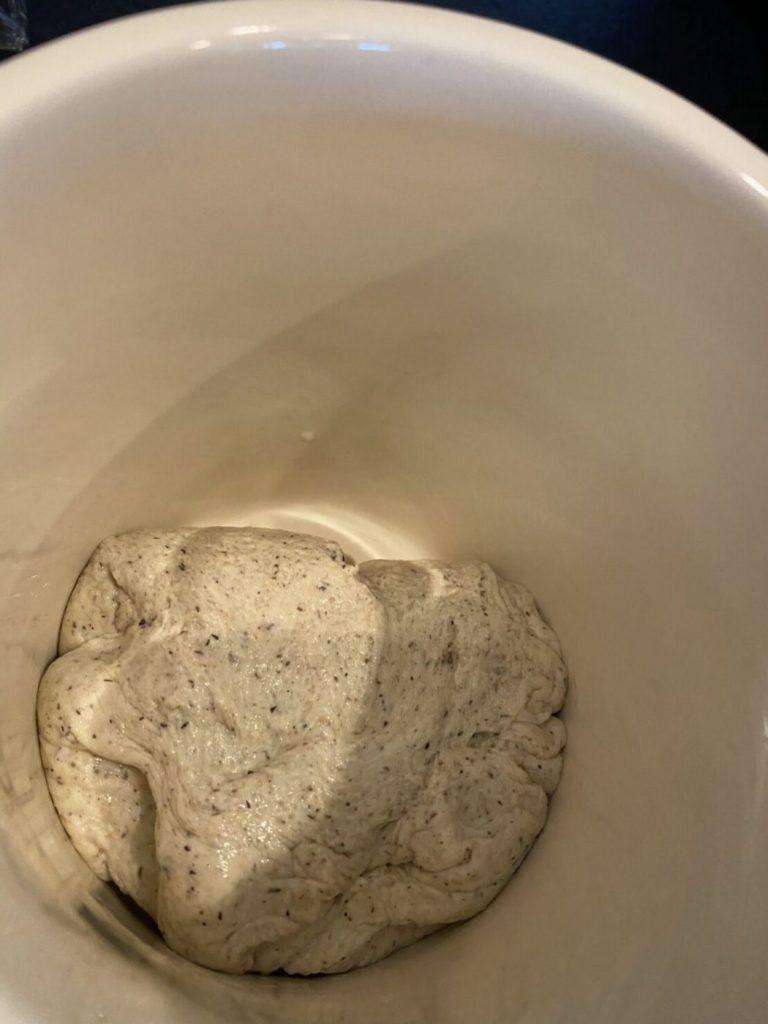
Simple Sourdough Starter
Learn how to make your own sourdough starter from scratch with just two simple ingredients. This easy step-by-step guide is perfect for beginners looking to bake homemade sourdough bread.
Creating your own sourdough starter from scratch is a rewarding process that forms the foundation for baking delicious, tangy sourdough bread. With just two ingredients and a little patience, you can cultivate a live culture that will not only improve the flavor and texture of your bread but also offer a healthier alternative to commercial yeast.
In this recipe, I’ll walk you through the steps to create and maintain your sourdough starter at home!
- Total Time: 4 days
Ingredients
2 cups all-purpose flour
1 (.25 ounce) package active dry yeast
2 cups warm water
Instructions
Day 1: Combine Flour and Water
- Mix the ingredients: In a glass or plastic container, combine 1 cup of flour and ½ cup of filtered water. Stir until well-mixed, scraping down the sides to incorporate everything. The consistency should be like thick pancake batter.
- Cover and rest: Loosely cover the container with a clean cloth or plastic wrap, allowing air to circulate. Place the container in a warm area (around 70°F/21°C) to start fermentation. Let it sit for 24 hours.
Day 2: Feed the Starter
- Check for bubbles: After 24 hours, check for small bubbles forming in the mixture—this indicates fermentation has begun.
- Discard and feed: Remove half of the mixture (discard it or use it in a different recipe). Add 1 cup of flour and ½ cup of water to the remaining starter and stir until smooth.
- Cover and rest again: Cover the container loosely and let it rest in the same warm spot for another 24 hours.
Days 3-7: Continue Feeding
- Repeat the process: Each day, discard half of the starter and feed the remaining half with 1 cup of flour and ½ cup of water. Stir until smooth, cover, and leave in a warm place. You should start seeing more bubbles and the starter will grow in volume.
- Check for readiness: By day 5-7, your starter should be bubbly, have a pleasant sour smell, and double in size after each feeding. Once it consistently doubles in size within 4-6 hours of feeding, it’s ready to use for baking.
- Prep Time: 10 min
- Category: breads
Nutrition
- Calories: 65
- Sodium: 4 mg
- Carbohydrates: 15 g
- Protein: 4 g
Sourdough Starter Recipe:
Making your own sourdough starter from scratch is easier than you think! With just two simple ingredients—flour and water—you can create a natural leavening agent that will bring your homemade bread to life. Follow this simple recipe to get started on your sourdough journey!
What Is a Sourdough Starter?
A sourdough starter is a natural leavening agent made from just flour and water, which captures wild yeast and beneficial bacteria from the environment. Unlike commercial yeast, which gives an instant rise to dough, a sourdough starter takes time to develop, but the result is a flavorful, tangy bread with a unique texture and taste.
Why You’ll Love Making Your Own Sourdough Starter
- Natural leavening: No need for commercial yeast, as the wild yeast does all the work.
- Cost-effective: Made from pantry staples—flour and water—creating a starter is inexpensive.
- Flavorful bread: A homemade starter gives your bread a unique, tangy flavor that you won’t get from store-bought bread.
Equipment Needed
- Glass or plastic container (avoid metal)
- A kitchen scale or measuring cups
- Clean cloth or plastic wrap to cover the container
- Spatula or spoon for mixing
TIPS
- It is best to use the starter within a week, but I have successfully kept them in the refrigerator up to a month. After this, it gets too dry and discolored to use.
- You can leave this on the counter for up to a week, but it often starts to sour. I have had the best luck with 3 days.


Making a sourdough starter from scratch is a simple yet essential process for creating the perfect homemade sourdough bread. With just flour, water, and a little patience, you’ll have a living culture that can last indefinitely and improve with age. Try this easy recipe and elevate your baking!
Ready to bake more bread recipes? Try using your sourdough starter with our Easy Sourdough Starter Recipe and explore other delicious bread recipes on our site. Don’t forget to leave a review and share your experience!
How to Maintain Your Sourdough Starter
- Daily feeding: If you’re baking frequently, feed your starter daily with equal parts flour and water.
- Refrigeration: If you don’t bake often, store your starter in the fridge. Feed it once a week and take it out of the fridge a day or two before baking to bring it back to room temperature.
- Reviving a dormant starter: If your starter hasn’t been fed in a while, don’t worry! Discard most of it, feed it a few times, and it should become active again.
Ready to learn this recipe and more?
Were you able to follow that recipe? Print or download this copy now and don’t forget to share it with your friends.
I would love to cook together with you live! I have now opened my online cooking lessons for booking.
Click here to find out more and book your lessons!
FAQs
How long does it take to make a sourdough starter?
It usually takes 5-7 days to develop a fully mature sourdough starter, but it can vary depending on the temperature and environment.
Can I use different types of flour?
Yes, you can use whole wheat, rye, or all-purpose flour. Whole grain flours tend to ferment faster, but any type will work.
Why do I need to discard part of the starter each day?
Discarding keeps the amount of starter manageable and prevents it from growing too large. It also ensures the starter remains well-fed, which promotes strong fermentation.
What can I do with the discard?
You can use the sourdough discard in recipes like pancakes, waffles, or crackers instead of throwing it away.

If you enjoyed this recipe, you might also like this homemade enchilada sauce recipe, spinach mushroom lasagna, or easy beef stroganoff recipe.